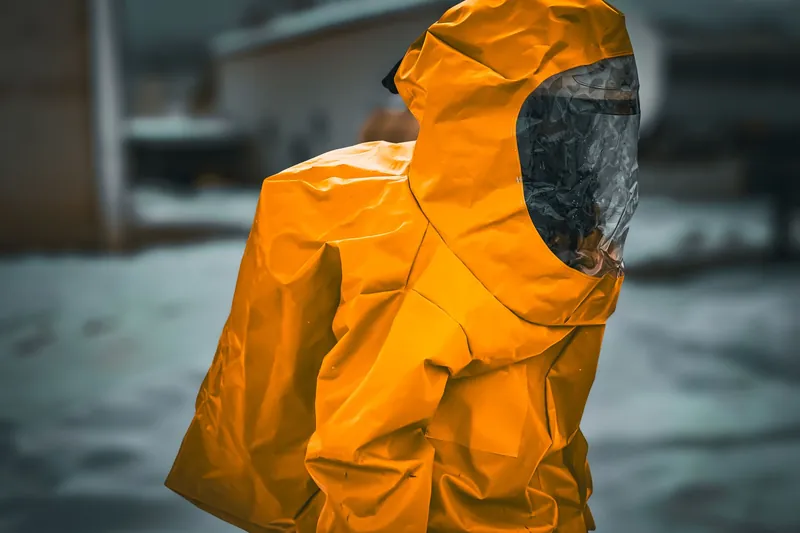
Biohazard Cleanup
Cleanup removes infectious material, including blood and body fluids, and disinfects the property.
See biohazard cleanupGet blood, bodily fluids, human waste, sharps and source odor removed from a hotel room, Airbnb, vacation rental or long-term rental in Dudgeon-Monroe. The area is contained, cleaned, disinfected and documented.
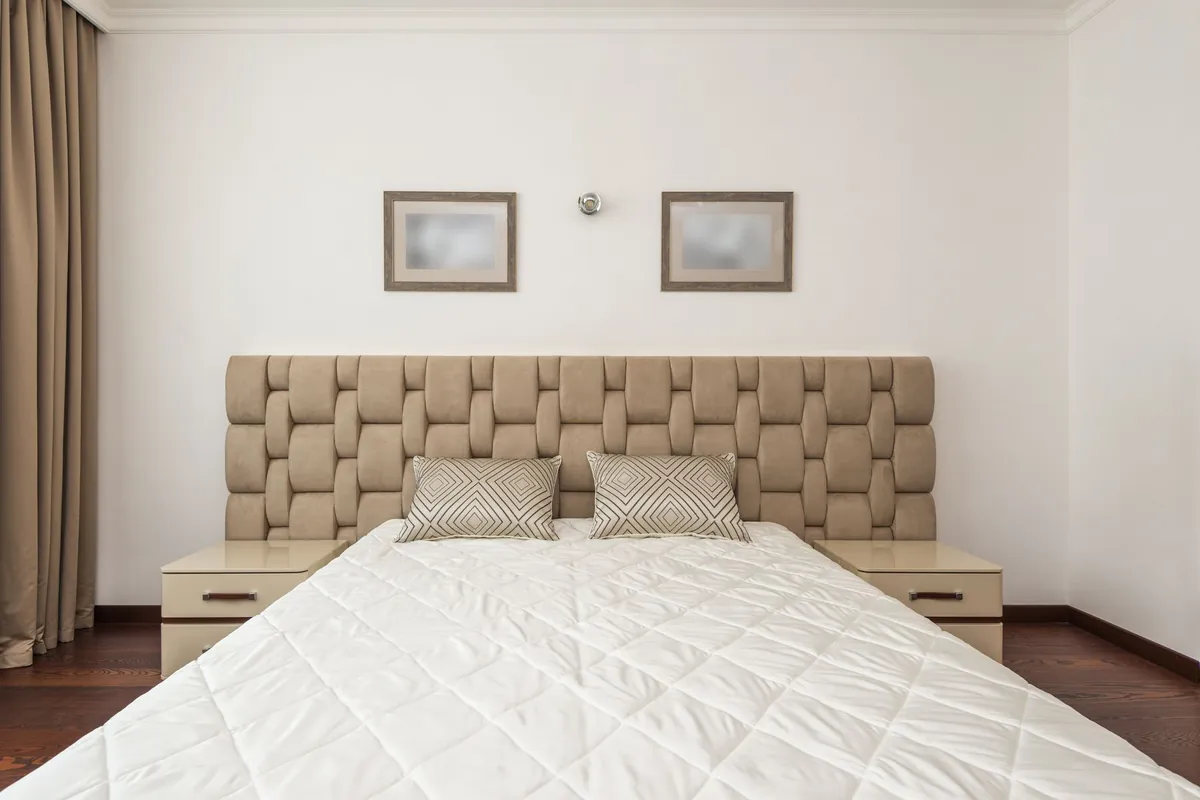
In a guest room, apartment or shared space, rental property biohazard cleanup is a safe process for removing human waste, sharps, bodily fluids and other hazardous materials. After removal, the area is cleaned and disinfected, and odor is treated.
Turnover cleaners address food residue, ordinary dirt and dust. A room with vomit, urine, blood, used needles, feces, decomposition fluids or another possible source of germs needs biohazard cleaning services. Housekeeping staff should stay away from exposures for which they lack the right training and protective equipment.
Any path crossed by a tenant, staff member or guest is considered along with the original affected area at the start of cleanup. Surrounding spaces are protected. Technicians remove porous items when they cannot be disinfected, then use an EPA-registered disinfectant on hard surfaces for the contact time stated on the label. Completion means no affected materials or source odor remains in the space.
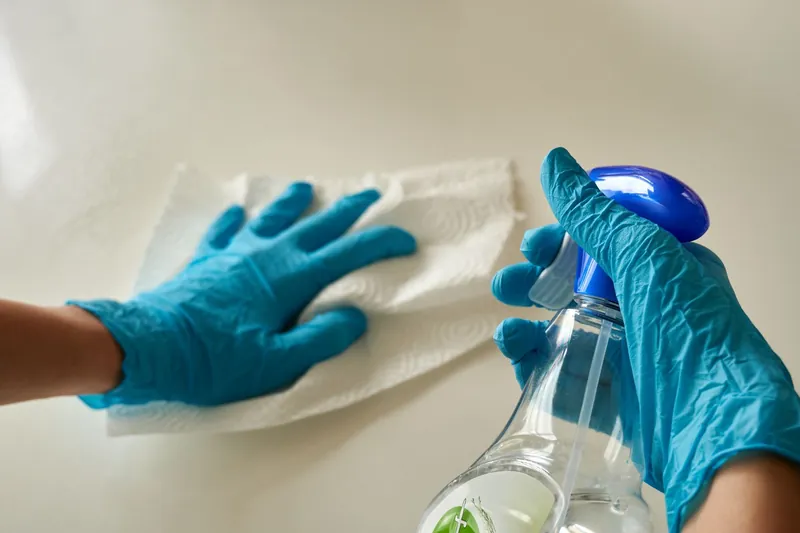
Technicians document and carefully treat personal property. Private information is shared only with people who need it for safety, access or insurance.
Photos, scope notes, invoices and waste records can support an insurance claim and help a property owner plan repairs and reopen the space.
Calls are answered day and night, and crews arrive in unmarked vehicles. If the property permits, entry can use a service route or private doorway.
Before cleanup starts, you receive details about the affected area, what can remain, what must be removed and which conditions influence cost.
A hotel or rental needs biohazard cleaning when ordinary cleaners cannot remove contamination safely. Common examples are:
A short-term rental may need contaminated linens, soft furnishings or flooring removed before safe cleaning can begin.
Never pick up loose needles or other sharps by hand or place them in regular garbage bags. They belong in puncture-resistant containers.
A unit may need to remain unavailable for the next reservation when its host finds bodily fluids, drug paraphernalia or strong source odor following checkout.
Contamination that spreads outside a single room may require containment in elevators, hallways, laundry rooms, lobbies and employee spaces.
Take the following steps before technicians begin cleanup in the rental. These early actions help protect records, keep contamination from spreading and reduce exposure:
Call (888) 440-9227You will not find a set price for hotel, Airbnb or other rental cleanup. General biohazard figures from Fixr give a rough frame: $3,000 to $5,000 is typical, $1,500 is the low end and $25,000 or more is the high end. Treat them as context. Your price comes from the contamination found, not from the nightly rate.
The figures shown are national ranges from published cost guides and are not based on an on-site visit. An on-site assessment determines your property's price, which is explained to you before the cleanup starts.
Ask about cost: (888) 440-9227Coverage for rental biohazard cleanup may be available through property insurance when the policy covers the event that caused it. Policy terms, exclusions, the deductible and the facts surrounding the loss affect coverage.
The owner typically coordinates cleanup when the building is affected. Who ultimately pays can depend on the lease, the cause, applicable law and insurance decisions.
Homeowners or renters insurance, the estate or the property owner usually pays for this kind of cleanup. The Wisconsin crime victim compensation program helps only when a crime caused the loss.
Before discarding damaged materials, the owner or manager should notify the insurance company, state the cause accurately and ask which records are required.
Personal property insurance and platform protection each include separate exclusions and limits. Keep invoices, pictures, event notes, booking information and messages, and discuss the specific incident with the policy contact.
Remediation moves through a controlled sequence to safeguard rooms still in use, with documentation at each stage. The contaminant involved, the surface types and the property layout determine the precise scope.
Cleanup technicians assess the affected area, access path, neighboring rooms and surfaces that might need cleaning, testing or removal.
The affected room is closed, its doors are controlled and separate paths are established for clean access and cleanup work to limit spread.
Linens, guest belongings, host property and disposable items are separated carefully. Items that may matter to an investigation are not disturbed.
Porous materials such as drywall, upholstery and carpet padding are taken out only when contamination penetrated beyond complete disinfection.
Hard surfaces are cleaned to remove soil before disinfection. The surface is then treated with an EPA-registered disinfectant that remains wet for the entire contact time on its label.
Before using air scrubbers or another odor treatment, technicians remove the source material. Vents and surrounding areas are checked when odor traveled.
Contaminated waste and sharps are sealed in suitable containers, documented and taken through the disposal route required for that waste.
After checking the cleaned area and completing work documents, technicians explain needed furniture, flooring or wall replacement to the manager or owner.
Call at any time. You speak with a hotel, Airbnb and rental biohazard cleanup specialist who outlines the process and schedules a start time with you.
Guests, employees and tenants can face serious health risks from sharps, bodily fluids or contamination that is out of sight, even in an area that appears small.
Discretion during the response helps preserve the person's dignity. Allow minimal access, withhold photos and tell staff just enough information to keep others away.
Blood may contain hepatitis B, hepatitis C or HIV. The CDC says hepatitis B can survive on surfaces for at least seven days, so dried material still requires careful biohazard cleanup.
A loose needle can puncture skin and expose a host, housekeeper or guest. Sharps and other hazardous waste need suitable containers and disposal under applicable rules.
Can you clean it yourself? A worker whose role, training and protective equipment cover the hazard may be able to clean a small number of drops from a hard, non-absorbent surface. Call for professional cleanup when fluids reached carpet, furniture, unfinished wood or wall cavities, when sharps are present, or when you cannot see the full edge of the affected area.
Hard, sealed materials can often be cleaned and kept. Porous items are removed when contamination reached places that cannot be fully cleaned and disinfected.
Many single-room rental cleanups can be completed in one to three days, but the time cannot be set until the affected area and materials are assessed. Deep contamination, several rooms or structural removal may extend the work.
| Scene | Typical time on site |
|---|---|
| A single contained room with non-porous surfaces | Often about one day |
| A standard room requiring carpet or furnishing cleanup | Often one to three days |
| Several rooms or structural material removal | May take several days |
The source must be found and removed before odor treatment can succeed. On its own, an ozone machine, bleach or fragrance cannot clean fluid that has entered a wall cavity, furniture, the subfloor or padding beneath carpet. Lasting air treatment follows only after the source is exposed and cleaned or taken away.
HEPA air scrubbers can capture airborne particles following cleanup of the source. In an occupied building, hydroxyl treatment may be appropriate under suitable conditions. Ozone treatment calls for an empty controlled space and careful re-entry procedures. Checks extend to HVAC returns, adjacent units and hallways if the odor spread from its original location.
The full hotel, Airbnb and rental biohazard cleanup guide covers what is cleaned or removed, odor and air quality work, and the rules that apply in Wisconsin.
Read the full hotel, Airbnb and rental biohazard cleanup guidePlanning for access, containment and cleanup can depend on local population, housing and entry conditions.
A listed distance of 0.8 miles to University of Wi Hospitals & Clinics Authority gives a practical medical reference when someone has contacted blood or waste.
Properties near Regent, Radio Park, and Pilgrim Village can share street names, so confirm the house number, unit and ZIP code.
A cleanup plan for this neighborhood should account for adjacent homes or units when setting odor control and containment boundaries.
During your call, ask whether cleanup is available in surrounding communities and ZIP codes.
Cleanup removes infectious material, including blood and body fluids, and disinfects the property.
See biohazard cleanup
Blood cleanup clears blood from furniture, walls, hard floors and carpet, followed by safe disposal.
See blood cleanup
Homes, care environments and businesses receive bodily fluid cleanup and disinfection.
See bodily fluid cleanup
Decomposition cleanup and odor control are needed after a death goes unnoticed for several days.
See unattended death cleanup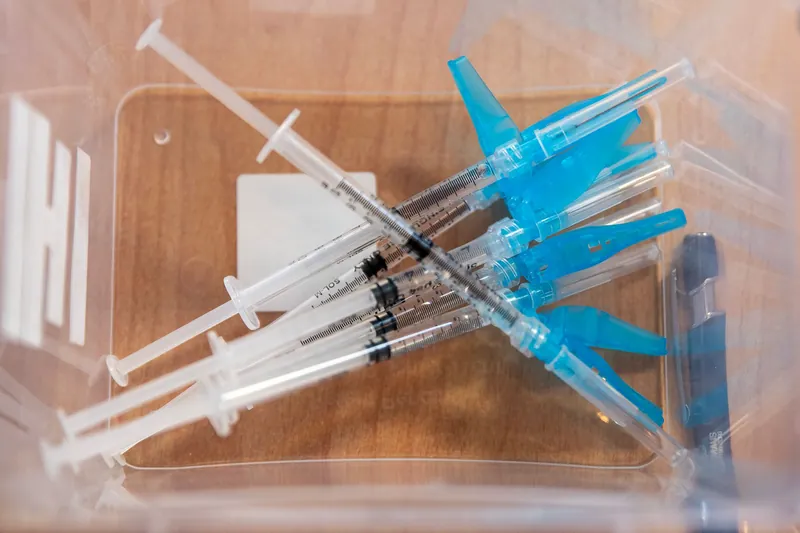
Cleanup removes sharps and needles from parks, rental sites, yards and encampments.
See needle and sharps cleanup
Floors, underlying subfloors and furniture receive urine cleanup with odor removal.
See urine cleanup
Vomit is cleaned and the area disinfected to stop the spread of norovirus and other germs.
See vomit cleanup
Eviction and tenant move-out cleanup of waste, fluids and filth.
See eviction and tenant Move-Out biohazard cleanupProfessional cleanup in hotels, Airbnb units, vacation properties and long-term rentals deals with contaminated materials such as human waste, sharps, bodily fluids and blood. Technicians restrict entry, remove items that cannot receive full disinfection, clean hard surfaces, keep the correct disinfectant in place for its labeled contact time and treat odor at its source.
The owner or manager usually arranges cleanup needed to protect the building and future occupants. Final responsibility for payment can vary based on lease terms, why the event occurred, local laws and the insurer's decision. Notify the appropriate property insurance company, then retain reservation records, event notes, photographs, bills and documentation from the cleanup.
Technicians begin by restricting the area. Using suitable pickup equipment, workers move sharps straight into containers designed to resist punctures. Technicians then check likely hiding places without reaching blindly into bedding, furniture or trash. Disposal follows the rules that apply to sharps and regulated waste in the state.
Do not reopen the room before removing contaminated material, completing cleaning and disinfection, treating the odor source and finishing the final check. About a day may be needed for contained hard-surface work. Work involving walls, subflooring, furnishings or carpeting may require one to three days or longer.
The source is found and removed before air treatment begins. If fluid penetrated furnishings, carpet padding, subflooring or wall material, technicians may need to expose the affected section. Once surfaces are cleaned and disinfected, technicians can use air scrubbers or another appropriate method for remaining air-quality issues. The source of contamination remains if only fragrance is used.
No reliable published price range exists specifically for rental property cleanup. General biohazard cost guides list $3,000 to $5,000 as a typical national range, with smaller jobs near $1,500 and large jobs reaching $25,000 or more. Actual cost depends on how deeply contamination penetrated, the rooms and surface materials involved, disposal needs and odor treatment.
Respectful, discreet hotel, Airbnb and rental biohazard cleanup is available 24 hours a day, and crews arrive in unmarked vehicles.